A fresh windshield changes how a car feels, not just how it looks. The glass is clear, the wipers sweep clean, and road glare seems to soften. But the first few days matter more than most drivers realize. The adhesive needs time to cure, the trim needs to settle, and if your vehicle has driver-assistance features, the cameras need to see the world correctly again. I’ve watched beautiful installs go sideways because someone power-washed a day too soon or slammed a door before the urethane set. The good news: smart aftercare is simple, and it helps your windshield last as long as it should.
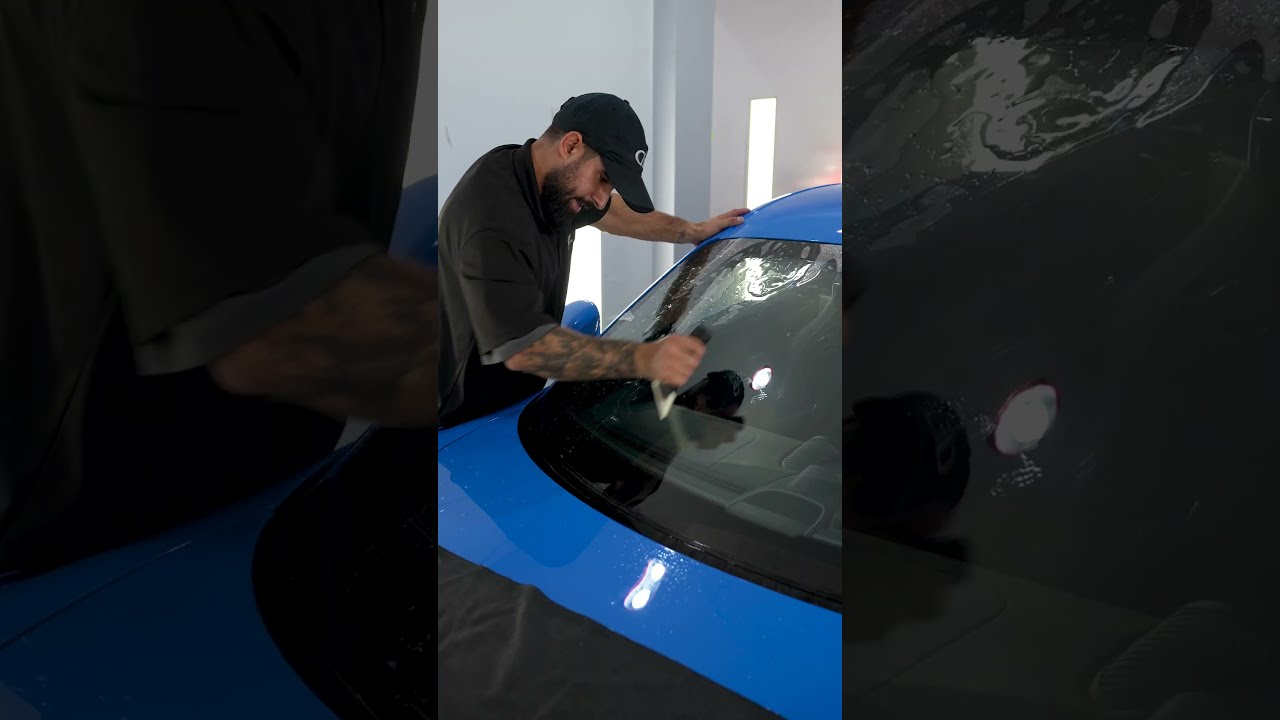
What follows is a grounded guide to living with your new glass for the first hours, the first week, and the months ahead. It mixes shop-floor know-how with practical, real-world judgment. It also touches on the finer points of modern vehicles, from ADAS cameras to rain sensors, so you can avoid the little mistakes that become big costs.
The first hours: curing time and what it really means
Every proper Windshield Replacement relies on urethane adhesive. Think of it as a structural glue that does two jobs: it seals the cabin against water and air, and it bonds the glass to the frame to create strength in a collision. That second part is not just a detail. Your windshield plays a role in airbag support and roof crush strength. If the adhesive hasn’t fully cured, it can’t do that job.
Most urethanes list a safe drive-away time, typically ranging from 30 minutes to a few hours depending on product, temperature, humidity, and whether the installer used fast-cure formulas. Here’s the practical translation. Leaving the shop when they say it’s okay is fine, as long as you drive gently for the rest of the day. Avoid potholes, speed bumps, and long highway sprints where you’re taking crosswinds at speed. The adhesive is firming up, but it reaches full strength later, often after 24 to 48 hours.
If your Auto Glass Replacement was done via Mobile Windshield Replacement in your driveway, ask the tech which urethane they used and what conditions it needs. A warm, mildly humid day helps cure time. A cold, dry morning slows it down. When I’m dealing with a winter install and ambient temps are near freezing, I tell people to treat the first day and night as sacred. Calm driving, no slamming doors, and no wash bays.
Door slams, pressure spikes, and why they matter
The cabin is a pressure vessel in miniature. Slam a door with all the windows up, and you briefly spike the pressure inside. That pressure pushes outward on the fresh bond line between the Windshield and the frame. Most of the time the glass won’t pop, but micro-movements along the adhesive can weaken the seal and lead to wind noise or a small leak that shows up with the first storm.
For the first day, close doors with a gentle hand. If you have to load kids or gear and the doors will cycle a dozen times, crack a window an inch. It’s old-school advice that still works.
Painter’s tape is not a fashion statement
If you see blue painter’s tape on the A-pillars or across the top edge, leave it alone for a day. The tape helps hold trim in alignment and discourages the glass from creeping if you park on an incline. On hot days, the car’s body and the urethane expand at slightly different rates. Tape controls that subtle shift. It looks silly for a few hours, then it saves you from whistling at 45 miles per hour later.
Keep the dash clear
Your dashboard vents push warm or cold air directly onto the base of the Windshield. Right after installation, you want the interior climate to change gradually, not swing hard from freezing to furnace. Skip the defrost-at-max setting for a day. Let the cabin warm or cool at a moderate fan speed. Sudden temperature differences across a large piece of glass can produce stress lines in some edge cases, especially if the vehicle sat in direct sun then you blast cold air on the inside.
Also, avoid propping a phone mount or dash cam glue base against the glass for the first few days. Let the structure settle. With newer ADAS cameras and rain sensors at the top of the glass, don’t tug on wiring looms or covers. If a sensor housing feels loose, call the shop rather than pressing until something snaps.
Cleaning a fresh Windshield the right way
The first wash can undo a clean install if you use the wrong tools. Commercial car washes often use high-pressure water that aims directly at the moldings. Hand washing is fine, but keep the jet of water soft and avoid putting the nozzle up close to the perimeter trim. Skip ammonia-heavy glass cleaners for the first week. Urethane hates solvents, and while you won’t dissolve a cured bead with a few sprays of household cleaner, why risk residue leaching into the edges while it’s still green?
For that new glass haze, use a dedicated automotive glass cleaner without ammonia, or a mix of isopropyl alcohol and distilled water. Use a clean, low-lint microfiber towel. Fold it, wipe in straight lines, and flip to a fresh side as you go. Two towels work better than one, because the second towel buffs away streaks. If you notice a faint rainbow sheen under night lights, that’s often installer-safe lubricant or fingerprints near the edges. It usually wipes clean with a second pass.
Wiper blades, washer fluid, and scratch prevention
Fresh glass can be unforgiving with old wiper blades. A brittle edge or a tiny chip of grit will etch a line you’ll stare at for years. If your shop didn’t install new blades, consider replacing them within the first week. The difference in clarity on a rainy night borders on dramatic. Aim for a midrange or OEM-quality blade, not the cheapest option on the rack.
Top off washer fluid with a quality mix, not straight water. Water alone invites mineral spots and, in cold climates, a frozen reservoir. While you’re at it, lift each wiper arm gently and wipe the blade with a damp cloth. You’ll pull off the film that usually rides along after a shop visit, a mix of silicone lube and road dust. Set the wipers back carefully so they don’t snap onto the glass.
If you live in a place with winter ice, resist the urge to chip at the Windshield with a metal scraper. Use a plastic scraper and de-icer spray, and let the car warm a bit. Fresh glass is strong, but the top edge and corners are points where careless scraping can nick the surface and start a tiny pit that grows under years of wiper travel.
The week after: weather, gravel, and parking smarts
Curing continues for at least a day, sometimes two or three if the temperature lagged. During that stretch, treat your car like it’s wearing dress shoes on a gravel path. Avoid gravel roads if you can. If you can’t, slow down. The leading edge of the roof, often called the header, picks up small stones kicked by vehicles ahead. A brand-new Windshield won’t resist impact better than the old one. In fact, it might be a tad more prone to chips until any protective coatings have a chance to settle and the glass has endured a few heat cycles.
When parking under trees, remember that fresh moldings can still relax into their final position. Heavy sap, seed pods, or sticks landing near the edges don’t help. It’s not the end of the world, but if you have a garage or a clear spot away from overhanging branches, take it for a week.
A word on heat. Parking facing the sun with a black dash can push interior glass temps high. That’s normal, but try not to go from scorching hot to ice-cold AC on max in seconds. Ease into it. Glass is a big, flat heat sink glued around its perimeter. It likes moderation.
Wind noise and leaks: what’s normal, what’s not
Most quality installs are quiet from day one. If you hear a faint whistle at a specific speed, try a simple diagnostic. Tape a short strip of painter’s tape over a trim seam near the noise and drive again. If the whistle disappears, the trim needs a tiny realignment or a clip reseated. If the noise persists no matter where you tape, it may be an opening in the perimeter seal. Either way, call the shop. Reputable Auto Glass companies expect a few comebacks for seal tweaks, and it’s faster to fix fresh than to wait until dust or water has worked into the bead.
For water checks, a gentle hose test is enough. Don’t blast the edges. Work from low pressure, starting at the base and moving up. If you see water wicking along the A-pillar inside, take photos and contact your installer. Most offer workmanship warranties. If the install was part of an insurance claim, document and loop in your adjuster. They’d rather pay for a quick reseal than a mold removal later.
Auto Glass and ADAS: calibration is not optional
Modern vehicles rely on cameras and radar units that look through or sit behind the Windshield. Lane-keeping, adaptive cruise, forward collision detection, traffic sign recognition, and automatic high beams often tie back to that little module high on the glass. When the Windshield moves even a millimeter differently than the factory unit, the camera’s angle shifts. Software calibration lines it up with the road again.
Windshield ADAS Calibration comes in two flavors. Static calibration uses targets set at precise distances inside a shop. Dynamic calibration requires a road drive at specific speeds, on clear lane markings, while the system learns. Some vehicles need both. Weather and road quality matter. If your Mobile Windshield Replacement tech tells you they installed the glass but you still need to visit a facility for calibration, take that seriously. The car may start and drive fine, but the safety features can misread reality. A misaligned camera can nudge you toward a line instead of away from it, or fail to detect a car altogether.
Watch for telltale signs after replacement. If you see dash warnings related to lane assist or forward collision, or if the steering nudge feels different on a familiar road, schedule calibration. It’s not just compliance. It’s how the vehicle returns to its designed behavior.
As a practical note, calibration can take 30 minutes to a few hours depending on the car and procedure. Clean, well-lit spaces and targets matter. Dust on the interior side of the glass where the camera peeks out can confuse the process. Before you go in, wipe the inside of the glass near the camera with a clean microfiber. Avoid spraying directly onto electronics. Spray the towel instead.
What about rain sensors and heated elements?
Plenty of Windshields include rain sensors, photoreceptors for auto-dimming, and heating elements for the wiper park area. These features rely on perfect contact and the right gel pads or adhesives. If your wipers behave erratically in the first rain after replacement, or the auto-dimming mirror flickers, the sensor may not be seated flush. Don’t pry the housing yourself. The clips can be finicky and brittle. A shop can reseat it in minutes with the correct gel kit.
Heated Windshields have electrical connectors along the edges. If you notice fog clearing unevenly or the heated wiper area not warming, mention it during any follow-up visit. Avoid yanking at wire pigtails tucked under trim. Those connections often require a small press and slide to release. Forcing them tears the tab.
Dealing with residual sealant and trim quirks
You might notice a thin line of urethane proud of the trim or a small bead visible through the frit band, the black dotted border. That’s not automatically a defect. Many factory and replacement installs leave a neat, visible line. What you don’t want is globs or strings of adhesive on painted surfaces. If you find them, do not pick at cured urethane. It grips paint. A shop can remove it with plastic razors and safe solvents.
Trim sometimes settles. A clips-based lower cowl, especially on older cars, can pop up at a corner after a few drives. Cold plastic shrinks slightly, then warms and expands. If it lifts, push gently. If it won’t seat, ask for a check. Fresh clips cost little compared to living with a rattle at 60 mph.
Insurance, warranties, and paperwork worth keeping
Keep your invoice, the urethane lot number if it’s listed, and any documentation that the Windshield Replacement included ADAS calibration. If you later sell the car, a record that the work met OEM or equivalent standards helps. If a leak or stress crack appears within weeks, the paperwork streamlines the warranty claim. Most reputable Auto Glass shops stand behind their work for at least a year on workmanship, sometimes longer. Glass defects usually show early, but workmanship quirks might wait for a good storm to reveal themselves.
If you went through insurance, note the claim number and whether you authorized aftermarket or OEM glass. Some vehicles are picky. Luxury models with acoustic laminated glass, infrared coatings, or HUD-friendly layers perform best with OEM-equivalent glass. Aftermarket can be fine when sourced from the right manufacturer, but check that features like acoustic dampening and embedded brackets match your original.
Mobile Windshield Replacement specifically: site prep and follow-up
Mobile service is convenient. I’ve replaced Windshields at office parks, in apartment lots, and once at a softball field while a dad watched from the dugout. The trick is controlling the environment. If your appointment is mobile, make space for the tech to open doors wide and stage tools. A clean, level surface matters. If wind kicks up dust, consider rescheduling or moving the car to a spot shielded by a building.
After a mobile install, you own the curing environment. Avoid gravel alleys and pressure car washes for a few days. Ask the tech to photograph the final bead and trim, then send those images to you. It’s a quick way to memorialize condition in case something shifts later. If calibration is needed off-site, book it immediately so you’re not driving for weeks with a camera guessing at perspective.
Living with the new glass: habits that keep it clear
Good glass care is mostly a set of small habits. Keep a pack of clean microfibers in the glove box. Replace wiper blades every 6 to 12 months depending on climate. Don’t let the windshield get coated in smoker’s film or off-gassing haze from interior plastics. That film makes nighttime driving worse and increases glare when it rains. Clean inside and out monthly. Use shade when possible. UV doesn’t just fade dashboards, it also ages the plastic cowl and moldings that protect the lower edge of the Windshield.
If you get a chip, treat it like a small medical issue: early intervention beats surgery. A chip smaller than a quarter is often repairable if you act within days, before contamination and water enter the break. Resin repair keeps cracks from running and preserves the optical quality. On a fresh Windshield, a quick repair also preserves warranty coverage in many cases and avoids a second replacement that puts the body paint and molding clips through unnecessary stress.
Common myths and what experience says instead
I’ve heard a lot of myths at counters and in waiting rooms.
- Myth: “You can’t drive for 24 hours.” Reality: With the right urethane and conditions, safe drive-away can be under a few hours, and the installer will tell you. The key is gentle use for a day while full strength develops. Myth: “Aftermarket glass is unsafe.” Reality: Quality aftermarket from reputable suppliers meets safety standards. The trouble is inconsistency. For vehicles with complex features, OEM or OEM-equivalent is often the safer bet to preserve optics, acoustic layers, and bracket alignment. Myth: “Car washes are fine right away.” Reality: Brushes and high-pressure jets aimed at the edges can lift fresh moldings. Hand wash or touchless with low pressure for a week. Myth: “Calibration is only for certain luxury cars.” Reality: A surprising number of mid-market sedans, SUVs, and trucks rely on camera alignment for lane assist and emergency braking. If the dash says calibrate, don’t ignore it.
That last point deserves emphasis. Calibration isn’t a money grab, it’s part of how modern vehicles see the lane and interpret distance. Windshield ADAS Calibration ensures that what the camera perceives matches where the car actually is.
Seasonal wrinkles: heat, cold, and altitude
In hot climates, the glass and body expand. That’s normal. If you hear an occasional tick from the A-pillar on a hot start, it can be the trim settling. If it becomes a constant rattle, have it checked. In cold climates, the glass contracts. Avoid pouring warm water on an icy Windshield. Thermal shock can stress the surface. Use de-icer and patience.
Mountain driving brings pressure and temperature swings. If windshield replacement Alamance County your replacement happened the day before a high-altitude trip, keep speeds moderate over the first passes and avoid extreme heater blasts. The combination of pressure changes, new adhesive, and chassis flex is not ideal during the first 24 hours. If the trip is unavoidable, mention it to your installer. They may select a faster-cure urethane and tape the trim more securely.
When to call the shop
It’s not a long list, but it’s worth memorizing the red flags. New wind noise you can pinpoint to the Windshield area. Any water intrusion, even a slow weep. Visible movement of trim or a molding that continues to lift after a week. Dash alerts tied to ADAS features that didn’t exist before the replacement. A wiper that smacks the glass or leaves a stubborn arc. A stress crack that starts at an edge within a week, especially if it traces along a corner. Most shops would rather hear from you early and make it right than let a small issue snowball.
A realistic timeline for aftercare
Here’s a simple, practical cadence that I share with customers:
- First 2 to 4 hours: obey the safe drive-away guidance from your installer. Keep speeds moderate, avoid rough roads, and leave any tape in place. First 24 hours: gentle door closes, crack a window if you’re opening and closing frequently, no high-pressure washing, avoid extreme defrost or AC blasts. First 48 hours: hand wash only if needed, keep the perimeter dry when possible, no windshield-mounted accessories, and schedule ADAS calibration if required. First week: replace wiper blades if they’re worn, monitor for noises or leaks, avoid gravel or construction zones when practical, and keep documentation handy.
Treat that timeline as sensible guardrails rather than a strict rulebook. Conditions vary, and so does urethane chemistry. The theme is the same: give the new bond time to become part of the car, not just a piece attached to it.
The bigger picture: why aftercare pays off
Auto Glass seems simple until you watch a front airbag deploy or see what a high-speed pebble can do. The Windshield is not a passive window, it’s a structural part of the vehicle that interacts with everything from airbags to camera systems. Good aftercare reduces the odds of leaks, squeaks, and miscalibrations. It turns a clean install into a long-term fix.
If you choose a shop that treats Windshield Replacement as a craft rather than a commodity, half the battle is won before you arrive. The other half happens in your driveway over the next few days, with small choices that cost nothing. Close the door gently, let the adhesive cure, wash by hand, calibrate the tech. Do those things, and your new glass will disappear into the car the way it should, quietly doing its job mile after mile.